
How to Treat a Skin Tear on Thin, Fragile Skin
Skin tears are not ordinary cuts. The dressing that helps a younger person heal is often the thing that causes the next tear. Here is what to use instead.
Reviewed by Inspiration Medical Technology, Inc. All articles are reviewed for accuracy and brand-voice compliance by the team behind AllaQuix®. Not a substitute for medical advice from your doctor.
Why ageing skin tears so easily
With age the layers of skin bond less tightly and the fatty cushion underneath thins. Long-term steroid use, blood thinners and sun damage all add to it. The result is skin that shears rather than cuts, often from something as ordinary as a doorframe or the edge of a wheelchair.
What to do in the first few minutes
Skin tears look worse than they are. The priority is to control the bleeding without doing further damage.
The first few minutes
- Apply gentle pressure with a clean, non-stick pad. Do not scrub.
- Rinse with saline or clean water rather than antiseptic.
- If a flap of skin is still attached, ease it back into place. Do not trim it.
- Note the direction the flap lies, so dressing changes follow the same direction.
Choosing a non-adherent dressing for fragile skin
This is the step that decides whether you are treating one tear or starting the next one. A standard adhesive bandage bonds to skin that cannot take being pulled. A calcium alginate dressing gels on contact instead, so it lifts away without taking the surrounding skin with it.
What to look for
- Calcium alginate forms a soft gel rather than sticking to the wound bed.
- Absorbs up to 20 times its own weight, which matters on a weeping tear.
- Hypoallergenic and drug-free, so nothing interacts with existing medication.
- Hold it in place with a cohesive wrap rather than tape on the skin itself.
WHAT TO USE
The two things that make the difference
One dressing that will not bond to fragile skin, and one way to hold it on without putting tape anywhere near the skin.
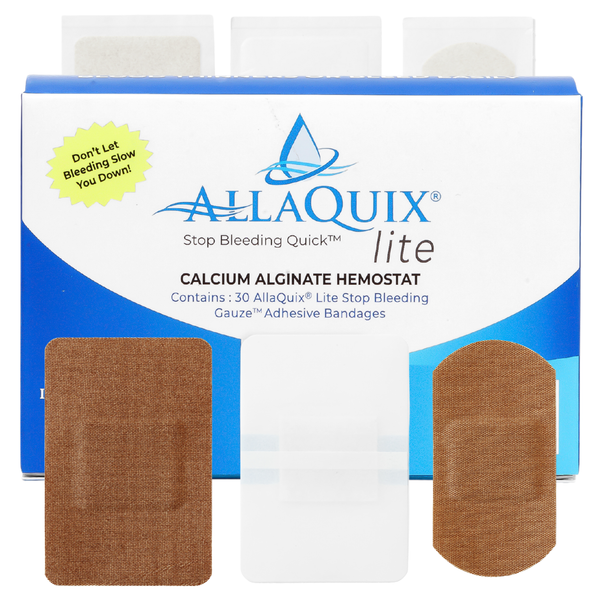
NON-ADHERENT
AllaQuix® Lite Bandages, Assorted
Calcium alginate bandages in assorted sizes. Gels on contact and lifts away without taking skin with it. Hypoallergenic and drug-free. Box of 30.
Best for: skin tears, fragile forearms and hands
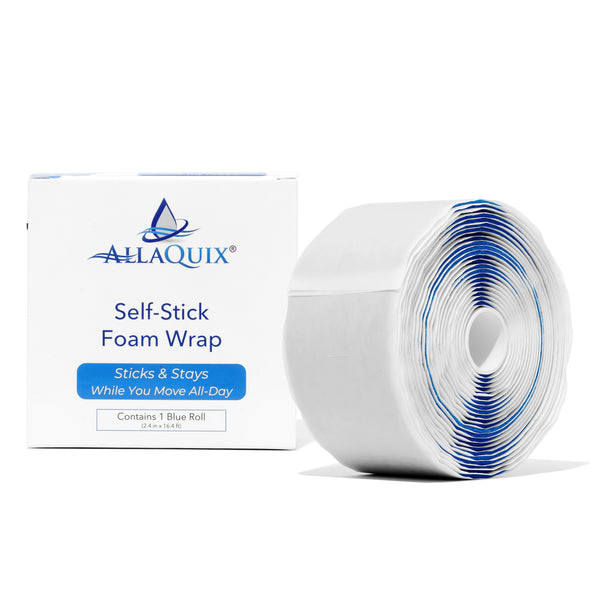
NO TAPE ON SKIN
Wrapid™ Self-Stick Foam Wrap
Grips only itself, never skin or hair. Holds a dressing in place without putting adhesive anywhere near the tear.
Best for: securing a dressing on thin skin
How to change the dressing without causing a new tear
More tears happen at dressing changes than at the original injury.
At every change
- Soak the dressing with saline or warm water until it releases on its own.
- Lift in the direction the skin flap lies, never against it.
- If it resists, stop and soak it longer. Never pull.
- Support the surrounding skin with your other hand as you lift.
When to see a doctor
Most skin tears are managed at home. These are not.
Get medical advice if
- The flap cannot be repositioned, or a large area of skin is missing.
- Bleeding will not stop after 15 minutes of gentle, steady pressure.
- There are signs of infection: spreading redness, warmth, swelling or discharge.
- The tear is on a leg with poor circulation, or on someone with diabetes.
- It is not visibly healing after a week.
Preventing the next skin tear
Fewer tears is a better outcome than better dressings.
Day to day
- Moisturise twice daily. Dry skin tears far more readily.
- Long sleeves and shin protection for anyone who knocks easily.
- Pad furniture corners, bed rails and wheelchair edges.
- Good lighting and clear walkways to reduce knocks in the first place.
- Review medications with a clinician, since steroids and thinners both contribute.
READY WHEN YOU ARE
Keep a gentle dressing in the drawer
The moment to find out an adhesive bandage is the wrong choice is not while a tear is already open.
NON-ADHERENT
AllaQuix® Lite Bandages, Assorted
Calcium alginate bandages in assorted sizes. Gels on contact and lifts away without taking skin with it. Hypoallergenic and drug-free. Box of 30.
Best for: skin tears, fragile forearms and hands
NO TAPE ON SKIN
Wrapid™ Self-Stick Foam Wrap
Grips only itself, never skin or hair. Holds a dressing in place without putting adhesive anywhere near the tear.
Best for: securing a dressing on thin skin
FAQ
Common questions on this topic
What is a skin tear?
A skin tear is a wound where the top layer of skin separates from the layer beneath, usually from friction or a shearing knock rather than a clean cut. They are most common on the forearms and hands of older adults, because ageing skin bonds less tightly and has less cushioning underneath.
Should I remove the flap of skin?
No. If the flap is still attached, ease it gently back over the wound and leave it there. It acts as the body's own dressing and helps the area heal. Do not trim it. Note which direction it lies so that every dressing change lifts with the flap rather than against it.
What dressing is best for a skin tear on thin skin?
A non-adherent dressing. Calcium alginate is well suited because it gels on contact with wound fluid rather than bonding to the wound bed, absorbs up to 20 times its own weight, and lifts away without pulling at fragile skin. AllaQuix® Lite bandages use calcium alginate and are hypoallergenic and drug-free.
Can I use a regular adhesive bandage on a skin tear?
It is the most common mistake. A standard adhesive bandage bonds to skin that cannot take being pulled, so removing it can open a second tear next to the first. If you have nothing else, hold a clean non-stick pad in place with a self-stick wrap rather than taping directly onto the skin.
How often should the dressing be changed?
Follow the guidance you were given for the specific wound. As a general rule, change it when it becomes saturated or soiled rather than on a fixed schedule, since every change carries some risk to the surrounding skin. Soak the dressing loose with saline or warm water before lifting, and never peel it off dry.
Do blood thinners make skin tears worse?
They do not cause the tear, but they can make it bleed longer and bruise more around the edges. The same approach applies: gentle steady pressure, a non-adherent dressing, and no tape on the skin. If bleeding has not stopped after 15 minutes of steady pressure, seek medical advice.
BEFORE THE NEXT ONE
Keep a gentle dressing in the drawer
Not for emergency, arterial, or severe bleeding. General patient and caregiver education, not medical advice.
Dallas, Texas
FDA reviewed and cleared. Nearly one million AllaQuix® sold.