Self-Adhesive Foam Wrap vs. Vet Wrap vs. Coban: A Real Comparison for Pros
If you've ever wrapped a chef's finger, an athletic trainer's ankle, or a mechanic's knuckle with a roll of self-sticking bandage, you've used some variation of cohesive wrap, and you've probably called it vet wrap, Coban, or just "that stretchy stuff." All three names refer to similar products with meaningfully different qualities. The newest entrant in the category is self-stick foam wrap, which solves the two complaints most pros have about traditional cohesive wraps. This is the comparison.
The four products
- Vet wrap. Cohesive elastic bandage, originally designed for veterinary use and adopted by everyone because it's cheap. Made of stretchy non-woven fabric that sticks to itself but not to skin or hair. No latex in most current formulations.
- Coban. 3M's branded cohesive bandage. Same general category as vet wrap, often perceived as more medical-grade and slightly more expensive. Frequently the product on hand in clinical settings.
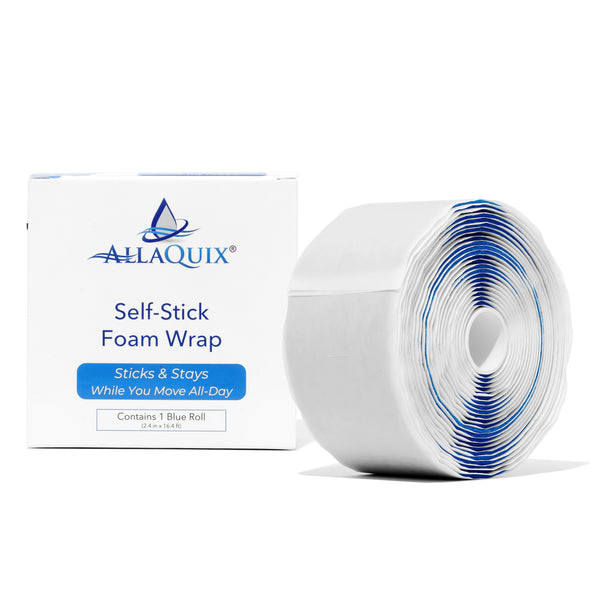
- Self-stick foam wrap. Newer category. Foam-based cohesive wrap that combines the self-sticking property with cushioning. Thin material helps user maintain dexterity and "feel", especially at the joints.
- Adhesive elastic tape (PowerFlex, Elastikon). Different product: elastic but with an adhesive backing that does stick to skin and hair. Used for ankle taping and joint support, not the same use case as the cohesive wraps above.
What pros actually use them for
- Chefs. Finger wrap over an adhesive bandage for kitchen cuts, knuckle protection during prep, holding a hemostatic pad in place on a deeper cut without using kitchen tape (which fails when wet).
- Mechanics, machinists, warehouse workers. Hand and knuckle protection while still allowing grip and dexterity. Holds gauze on a scrape or laceration without sticking to grease or arm hair.
- Athletic trainers. Compression for joint and muscle injuries, holding ice packs in place, securing protective padding, holding a hemostatic pad on a turf burn or laceration.
- Veterinarians. Original use case. Wrapping animal limbs and bandages where adhesive tape won't work on fur.
- Home first-aid. The "I need to hold this gauze on without using tape that's going to pull skin off when I remove it" case.
Vet wrap: strengths and weaknesses
Vet wrap is the cheapest and most widely available cohesive wrap. It works.
Where it wins: Cost (under $5 a roll), availability (every farm-supply, pet, and most pharmacy chains), and a serviceable strength-to-weight ratio for basic limb wrapping.
Where it falls short:
- No padding. Just a thin elastic fabric, so it doesn't cushion anything underneath.
- Tears unevenly when you try to rip it without scissors. The "tear with your hands" advertising rarely matches reality.
- Loses tension after a few hours, especially when wet.
- Hair and rough skin can catch on the texture during application.
Coban: strengths and weaknesses
Coban is 3M's branded version of the same general category. Pricier, marginally better quality control, broadly the same product.
Where it wins: Available in clinical settings, slightly more uniform width and tension than off-brand vet wrap, latex-free formulations clearly marked.
Where it falls short: Same fundamental issues as vet wrap: no padding, can lose tension when wet, no cushioning. And the price for the same essential product is meaningfully higher.
Self-stick foam wrap: strengths and weaknesses
Foam wrap is the newer entrant in the category. Built specifically around the complaints pros have had with vet wrap and Coban for years.
Where it wins:
- Padding. The foam construction provides genuine cushioning at the wrap point, which matters when you're holding gauze against a fresh cut, holding ice in place against a joint, or protecting a knuckle that's going to keep contacting grip surfaces.
- Conforms cleanly. Sticks to itself reliably without the texture-snagging issues vet wrap has on hairy skin or rough surfaces.
- Thin. Thin material that is thinner than most cohesive wraps, which can be a plus if you're trying to fit a wrap under tight gloves.
- Holds tension when wet. Critical for chefs working in wet kitchens and athletic trainers dealing with sweat.
- Tears clean. The foam construction tears more predictably by hand than woven cohesive wraps.
- Comfort. The cushioning makes it less abrasive against skin during extended wear.
Where it falls short: Newer product, less widely available than vet wrap.
The AllaQuix entry in this category is Wrapid™ Self-Stick Foam Wrap: built for chefs, mechanics, warehouse teams, and athletic trainers as the "I need to hold this in place without skin-pulling tape" option.
The pro use case: hemostatic pad + foam wrap
Most workplace and home cuts that need a serious dressing combine two products: a wound-contact layer that handles the bleeding, and an outer layer that holds the contact layer in place without using skin-adhesive tape.
The combination that pros increasingly settle on:
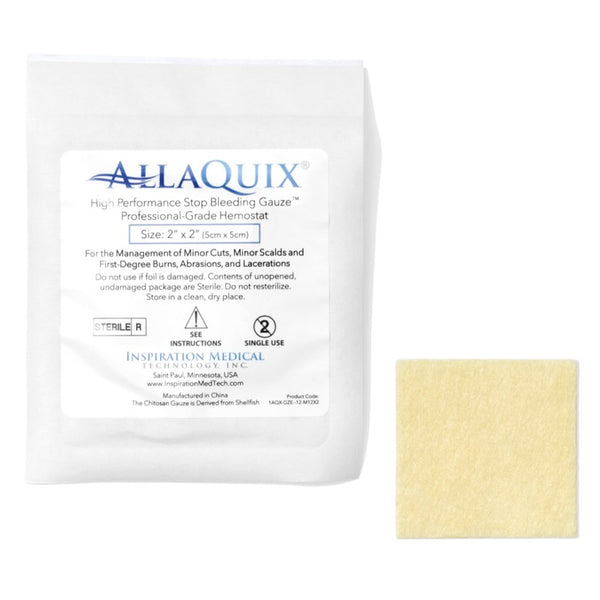
- Wound contact layer: A calcium alginate adhesive bandage (AllaQuix® Lite) for small cuts, or a calcium alginate pad (AllaQuix® Lite 2"x2") for larger ones. Both actively help stop the bleed rather than just absorbing it.
- Outer holding layer: Self-stick foam wrap. Padded, holds tension, removes cleanly. Wrapid™ Self-Stick Foam Wrap for the kit.
For chefs: this combination handles a knife cut without leaving you with adhesive residue on your knuckles or pulling skin every time you change the dressing. For mechanics and warehouse staff: it survives sweat, grip work, and several hours of wear. For athletic trainers: it works through a game.
When adhesive elastic tape is the right product instead
For joint taping (ankle, wrist, elbow) adhesive elastic tape (PowerFlex, Elastikon) is the correct product, not cohesive foam wrap. The adhesive backing is what holds the tape against skin and bone over hours of motion. Foam wrap and vet wrap don't have that backing and will shift on a moving joint.
The athletic trainer rule of thumb: adhesive tape for joint support, cohesive foam wrap for compression and holding pads in place, not interchangeable.
How to apply foam wrap correctly
- Position the contact layer (gauze pad, hemostatic dressing) over the wound.
- Start the wrap on the side of the body opposite the wound to avoid building tension over the wound itself.
- Wrap with light-to-moderate tension. Foam wrap can be applied tighter than vet wrap without losing comfort because the foam compresses; aim for "secure" not "tourniquet."
- Overlap each turn by about half the wrap's width.
- End the wrap with one full turn on top of the previous turn, press to seal.
- Check distal circulation: fingertips or toes should remain pink and warm. If they're going pale or numb, the wrap is too tight.
How to remove foam wrap without damage
Foam wrap removes cleanly by unwrapping the same way you applied it. For wraps over a fresh wound dressing, unwrap rather than cutting; this avoids disturbing the contact-layer dressing underneath.
If the wrap has been on for several hours and the pad underneath is stuck to the wound, wet the whole assembly with saline or clean water for a minute before removing, this lifts both the wrap and the pad cleanly.
What's actually in your kit, then
For most workplaces and home kits, two cohesive products and one adhesive product cover everything:
- One roll of self-stick foam wrap (Wrapid™ or similar).
- One roll of vet wrap or Coban as a cheaper backup.
- One roll of adhesive elastic tape (PowerFlex or Elastikon) for joint taping.
For an athletic trainer bag, double everything. For a home kitchen drawer, foam wrap alone is the better pick: it's the one you'll actually reach for on a cut.
Frequently asked questions
Is foam wrap the same as vet wrap?
No. Both are cohesive (stick to themselves, not to skin). Vet wrap is thin non-woven fabric. Self-stick foam wrap is foam-based, with cushioning and better tension retention.
Will foam wrap hold a hemostatic pad in place?
Yes, it's the textbook use case. Apply the pad first, wrap firmly over it, the foam provides both holding force and cushioning over the wound.
Can I reuse foam wrap?
Generally, no. Since the wrap sticks to itself it is too difficult to separate the layers to reuse. For wound dressings, no, single use only, fresh wrap each time.
Is foam wrap latex-free?
Most current self-stick foam wraps are latex-free. Wrapid™ is latex-free. Check the packaging on any product before using on a patient with a known latex allergy.
Does foam wrap work for tape allergies?
Generally yes, the foam touches skin rather than an adhesive, so latex- and adhesive-related skin reactions are reduced. For severe contact allergies, test a small area first.
How does foam wrap compare to cohesive elastic bandage (ACE wrap)?
ACE wraps are elastic but typically have a hook-and-loop or clip closure rather than a self-adhering surface. Foam wrap removes the need for the closure. For sustained compression on a joint (ankle sprain), ACE is still the standard; for general purpose holding-pad use, foam wrap is faster and cleaner.
The bottom line. Vet wrap and Coban are the cohesive wrap standards, cheap, available, serviceable. Self-stick foam wrap is the newer category that adds cushioning, better tension retention, and a cleaner application experience. For workplaces where the wrap is going on a fresh cut and staying on through a shift, the foam wrap is the upgrade. For occasional pet-supply uses, vet wrap is fine.
Shop Wrapid™ Self-Stick Foam Wrap →
This article is informational and not a substitute for medical advice. Wrapid™ Self-Stick Foam Wrap is a cohesive wrap intended for general first-aid use and holding wound dressings in place. Not a hemostatic and not a substitute for direct pressure on a serious bleed.