The Athletic Trainer Med Bag Checklist: 38 Items the Pros Won't Leave Behind
The difference between an athletic trainer who looks calm at the sideline and one who looks like they're rummaging through someone's purse is the med bag. Specifically: what's in it, where it lives, and whether the trainer has touched every item recently enough to find it without thinking.
This is the athletic trainer med bag checklist we'd build today: 38 items, organized by how often you'll reach for them, written from the perspective of someone who's actually worked a sideline. Print it, tape it inside your bag, swap items as your season changes.
The four-tier model
Med bags get heavy fast. The fix is to stop trying to carry everything and start organizing what you carry by reach-frequency. We use four tiers:
- Tier 1: Front pocket. The things you'll reach for in the first 30 seconds of an injury, ideally without looking. Gloves, tape, bleeding control.
- Tier 2: Main compartment. Things you'll reach for inside the first five minutes. Pads, wraps, basic splinting.
- Tier 3: Back compartment. Things you'll use once per game on average. Ice, water bottles, cold packs.
- Tier 4: Bag base or vehicle. The "if I need this, I'm calling the ambulance" tier. Backup splints, larger trauma supplies, biohazard disposal.
Tier 1: Front pocket (the 30-second tier)
- Nitrile gloves. 10+ pairs, at least one box in a size that fits your hands. Universal precautions before anything else.
- Trauma shears. One pair, clipped where you can grab them without looking. Cheap shears will fail when you need them. Spend $15.
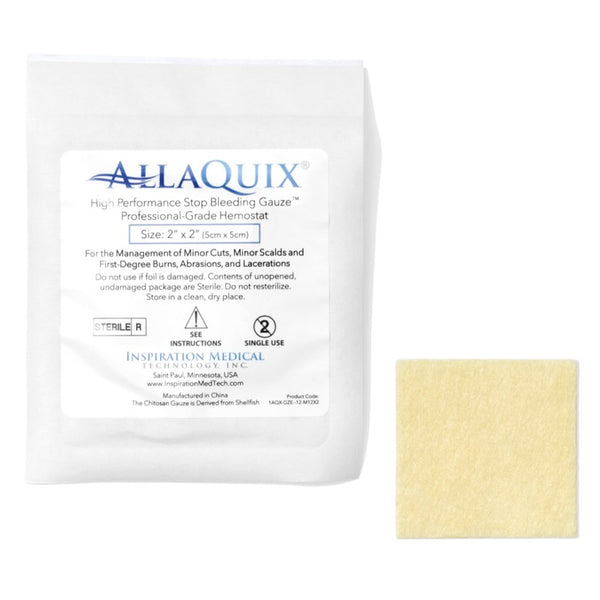
- Hemostatic gauze for bleeding control. Small wounds get plain gauze. Cuts that are oozing through plain gauze, or any wound where the athlete is on an anticoagulant (more on this below), get a hemostatic dressing. The athletic trainer sample box at /products/athletic-trainer-sample-box is built for exactly this kit.
- Adhesive bandages - assorted sizes. Skip the cheap pharmacy box. Get a 30-pack of calcium alginate adhesive bandages instead. They handle the bleeds plain Band-Aids leak through.
- Nose plugs for nosebleeds. Football, basketball, wrestling, you'll see nosebleeds. A box of AllaQuix® Nose Bleed Gauze is sized to live in the front pocket.
- Pre-cut athletic tape. White 1.5", at least one full roll, plus one already partially-used roll for instant access.
- Pre-cut elastic adhesive tape (PowerFlex, Elastikon). Half roll, for ankle re-tapes and fingers.
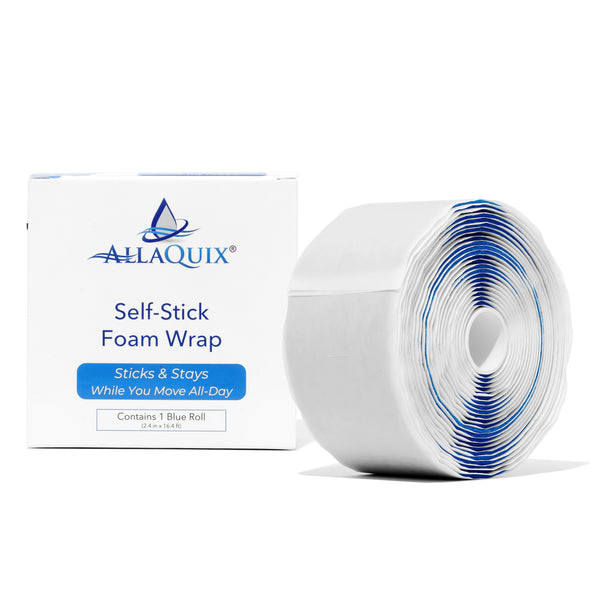
- Cohesive wrap (vet wrap / self-adhering foam wrap). One roll of 2" and one of 3". For holding pads in place without sticking to skin, see Wrapid™ Self-Stick Foam Wrap for an athletic-trainer-friendly format.
- Bandage scissors. Different tool than trauma shears, these are for trimming tape, not cutting through clothing.
- CPR pocket mask with one-way valve. If you carry an AED, you carry this.
Tier 2: Main compartment (the five-minute tier)
- Sterile gauze pads: 2"x2", 4"x4". 20 of each.
- Roll gauze (Kerlix or equivalent): for wound packing on larger lacerations.
- Triangle bandage / sling. One, folded and packed flat.
- Eye patches and eye wash (saline). Football, baseball, wrestling, eye injuries happen.
- Petroleum jelly packets or skin lubricant, for prevention and after-care.
- Skin glue / liquid bandage, for the cut that's small enough you don't want stitches but big enough that a regular bandage won't hold.
- Steri-Strips (butterfly closures). 20+.
- Pre-wrap (foam underwrap). One roll per regular taping athlete.
- Heel and lace pads. A dozen of each.
- Blister care: moleskin or hydrocolloid bandages. Half a sheet of moleskin minimum.
- Spray adhesive (tuf-skin or Q.D.A.). One can.
- Adhesive remover. Same brand as your spray adhesive.
- Hand sanitizer. 8 oz bottle.
- Antiseptic wipes (alcohol or chlorhexidine). A box.
- Small mirror for the athlete looking at a face cut.
- Penlight for pupillary checks and dark-corner injuries.
- Disposable thermometer strips or a forehead thermometer.
Tier 3: Back compartment (the once-per-game tier)
- Instant cold packs. At least 6.
- Plastic bags for crushed-ice packs. Always have a way to get real ice.
- Roll of elastic bandage (ACE wrap): for compression and improvised splinting.
- Finger splints: SAM Splint or equivalent, plus aluminum strips.
- SAM Splint (universal moldable splint). The 36" version, rolled.
- Disposable thermometer + tongue depressors (use these as finger splints in a pinch).
- Glucose tabs or glucose gel for the diabetic athlete you didn't know was diabetic.
- Single-serve electrolyte packets for the hot-day cramp situation.
Tier 4: Bag base or vehicle (the "I'm probably calling EMS" tier)
- Backup boxes of gloves, gauze, and tape: your "I just used my front pocket dry" reserve.
- Tourniquet (CAT or SOFTT-W). For arterial-grade bleeding. Train on it; don't just carry it.
- Biohazard disposal bag for used gauze, gloves, and clothing.
The bleeding-control upgrade most med bags are missing
Standard athletic trainer training covers direct pressure, elevation, and ice. Most actual sideline bleeds (turf burns, mat burns, lacerations from cleats, nosebleeds) respond to that within a few minutes. The exceptions cluster around two scenarios:
- The athlete who's on an ADHD or anti-inflammatory medication that's also affecting platelet function (ibuprofen is the most common, a lot of athletes self-treat with it, which lengthens bleeding time).
- The "this won't stop" laceration, common in football and wrestling, where helmets, hits/grapples, or cleats produce cuts that ooze longer than the trainer's window between plays.
For both scenarios, a hemostatic dressing in the front pocket cuts the bleed-control timeline from a multi-minute pressure hold down to under two minutes. Calcium alginate (AllaQuix® Lite line) and chitosan (AllaQuix® High Performance line) both work. Calcium alginate is the more common pick for AT bags because the cost-per-use is lower.
What to carry seasonally
- Football, lacrosse, hockey. Extra tape, extra cohesive wrap, eye pads, more hemostatic dressings.
- Basketball, soccer. Pre-wrap, ankle braces, blister care.
- Wrestling. Skin-care products (Tinactin for ringworm), gauze for mat burns, fluid hemostatic for facial cuts.
- Track + cross-country. Blister care, electrolytes, blister-prevention tape, more ice than you think.
- Baseball, softball. Eye protection, sun screen, oral airway, extra ice.
What to inspect every Sunday
- Expiration dates on every sterile item. Replace anything within 30 days of expiry.
- Hand sanitizer, antiseptic wipes, adhesive remover: full or near-full.
- Tape rolls: at least two unused white tape rolls.
- Gloves: at least 5 pairs of fresh, dry, sealed gloves.
- Hemostatic dressings: sealed packages, unexpired, count matches your kit checklist.
- Cold packs: none ruptured or activated.
- Penlight battery.
- CPR pocket mask: clean, sealed, valve intact.
Frequently asked questions
Do I need a tourniquet in an AT bag?
For high-risk sports (football, lacrosse, anything with hard equipment), yes. The training matters more than the carry. A tourniquet you've never applied is going to be slower than a hemostatic dressing you've used five times.
Calcium alginate or chitosan for an AT bag?
Calcium alginate (AllaQuix® Lite) is the more common pick (lower cost per use) and it works on the bleeds you actually see at the sideline. Chitosan (AllaQuix® High Performance) belongs in the kit too if your athletes include anyone on an anticoagulant or with a known bleeding disorder, or if you cover combat-style sports.
How much should an AT bag cost to outfit?
A complete Tier 1–3 kit, built once and maintained, runs $300–$500. Tier 4 adds another $150–$250 with a quality tourniquet and biohazard disposal. The expensive item people skip is the trauma shears; the cheap item people skip is the second pair of gloves in the front pocket.
Where should the bag actually live during a game?
At the bench, on the same side as the team. Front pocket facing you. Visible, not stashed under a chair. Anyone who needs you should be able to spot the bag without asking.
Can I get a sample of the AllaQuix® line for my program?
Yes. The Athletic Trainer Sample Box is built for evaluating the line with your athletes before you commit to a season order. $49, includes High Performance, Lite, and Nose Bleed formats.
What's the difference between an AT bag and a school first-aid kit?
An AT bag is built for return-to-play decisions and active injury management. A school first-aid kit is built for triage and stabilization before a parent arrives or EMS is called. The overlap is large; the orientation is different.
The bottom line. A great AT med bag is built once, organized by reach-frequency, and inspected every Sunday. The 38 items above cover virtually every routine sideline scenario. The single biggest upgrade most bags can make is moving hemostatic dressings into the front pocket and learning to reach for them on the cuts that ooze longer than feels normal.
Try the AllaQuix® Athletic Trainer Sample Box →
This article is informational and not a substitute for athletic training certification, EAP development, or the protocols of your sports medicine team. AllaQuix® dressings are FDA-cleared for minor external bleeding. Not for emergency, arterial, or life-threatening bleeding: those scenarios require EMS activation and, where applicable, a tourniquet.